

It’s late February in New Hampshire. We still have snow, and it’s still quite cold most nights, but the days are starting to warm up. Freezing nights and warm days means the sap is rising – it’s maple season!
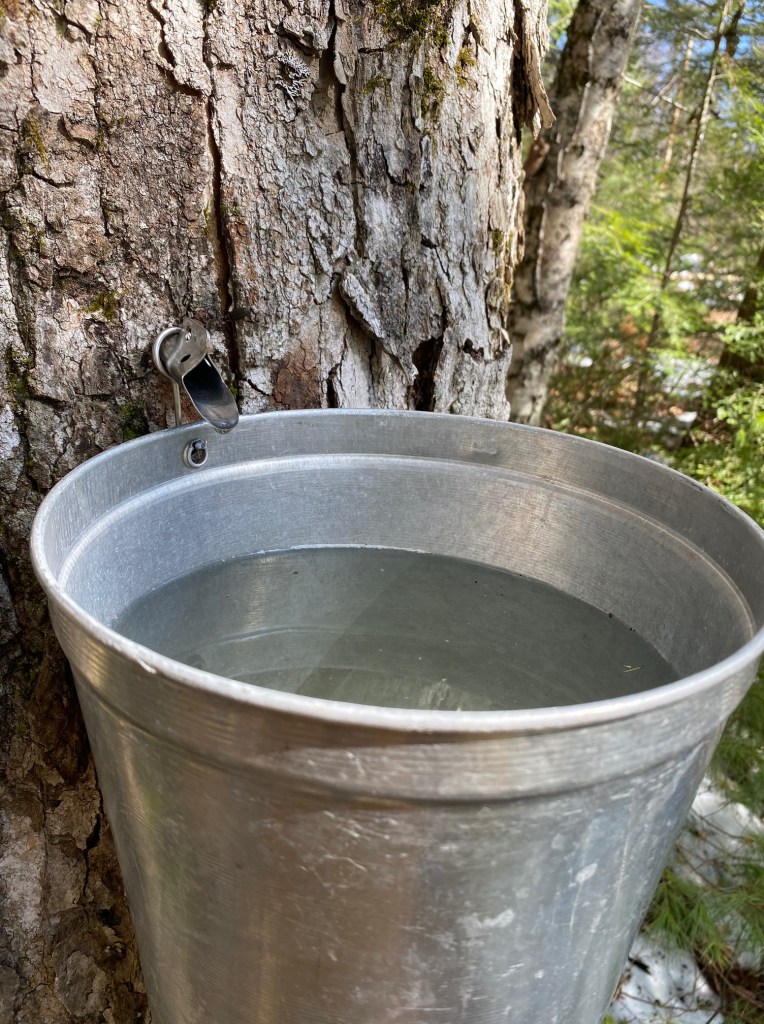
I love when it’s time to put out the buckets (even if it’s still pretty cold out when we’re doing it). The kids love it, it means we’ll have homemade maple syrup soon, and it also means the end of winter is fast approaching.


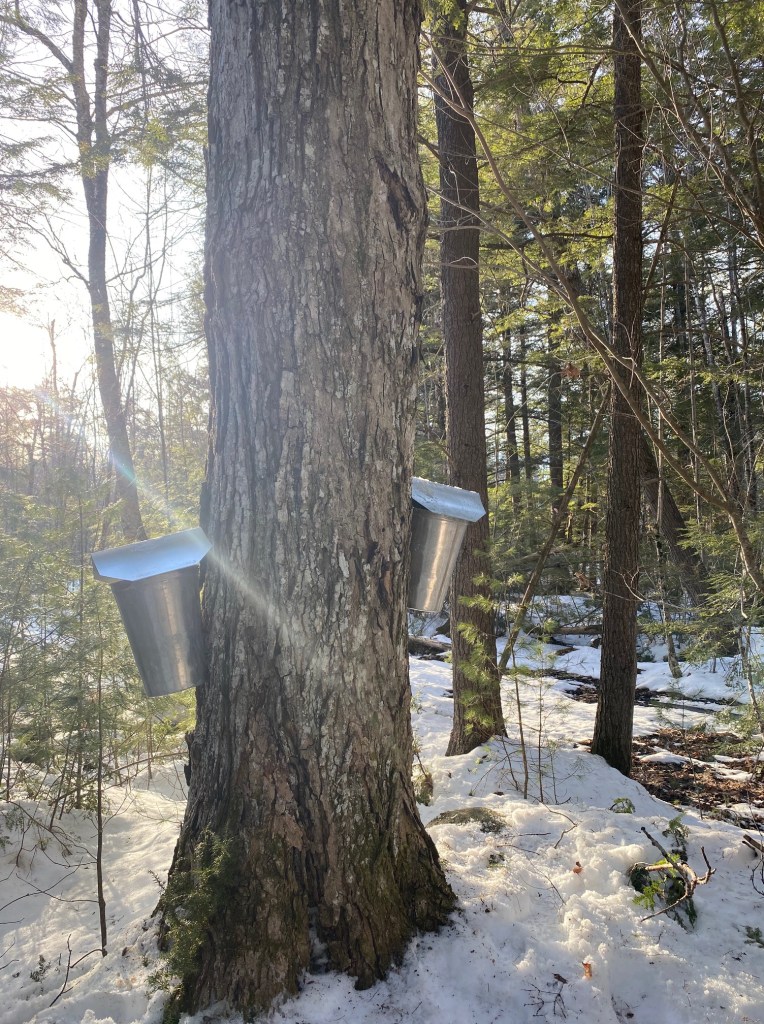
We’ve been collecting sap on our property for the past six years. Each year, we’ve put out more buckets and have refined our technique for boiling, filtering, and perfecting the syrup. I’m not going to pretend to be an expert here, because I’m not, as the boiling has always been more of my husband’s thing. I can make syrup, but he’s the one that does the research, buys the new filters, and who got the new evaporator last year.

We’re fortunate that our long driveway includes many maple trees, including a handful of large sugar maples that are easily accessible.
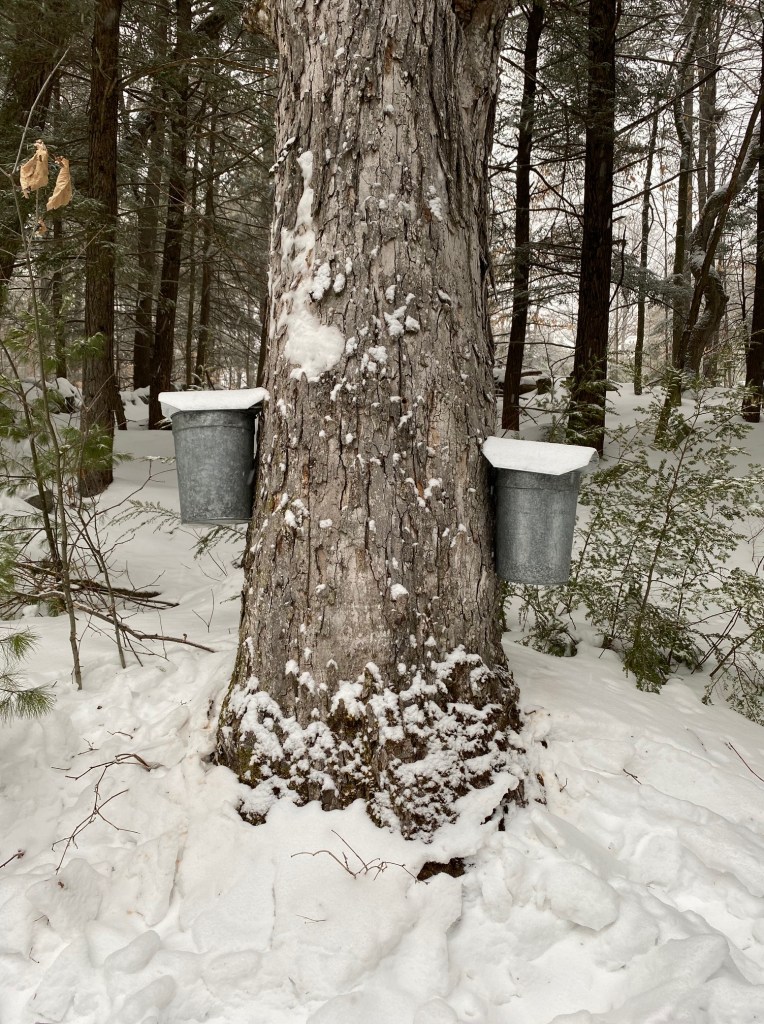
We strap a large collection barrel in the back of the side-by-side or yard truck, and when the sap is flowing, we’ll use 5-gallon buckets to carry the sap from the trees to the collection barrel. When we have enough sap for a boil, a spout on the barrel makes it easy to transfer the sap through some cheese cloth to remove dirt and bugs, into another bucket, then we’ll add the sap to the evaporator.

Since we started, we’ve been boiling on a barrel evaporator. Using a barrel evaporator is a small investment that can produce enough syrup for our family for the year after approximately three full-day boils. You can even find simple DIY plans for these to make yourself.


This has worked just fine, but as we’re increasing the amount of syrup we’re making each year, it’s getting to the point that a continuous flow evaporator makes more sense so we don’t have to do so many boils. This evaporator with a divided pan boils the sap down quicker, as sap can continuously be added to one side of the pan, while it boils down and finishes off on the other side.
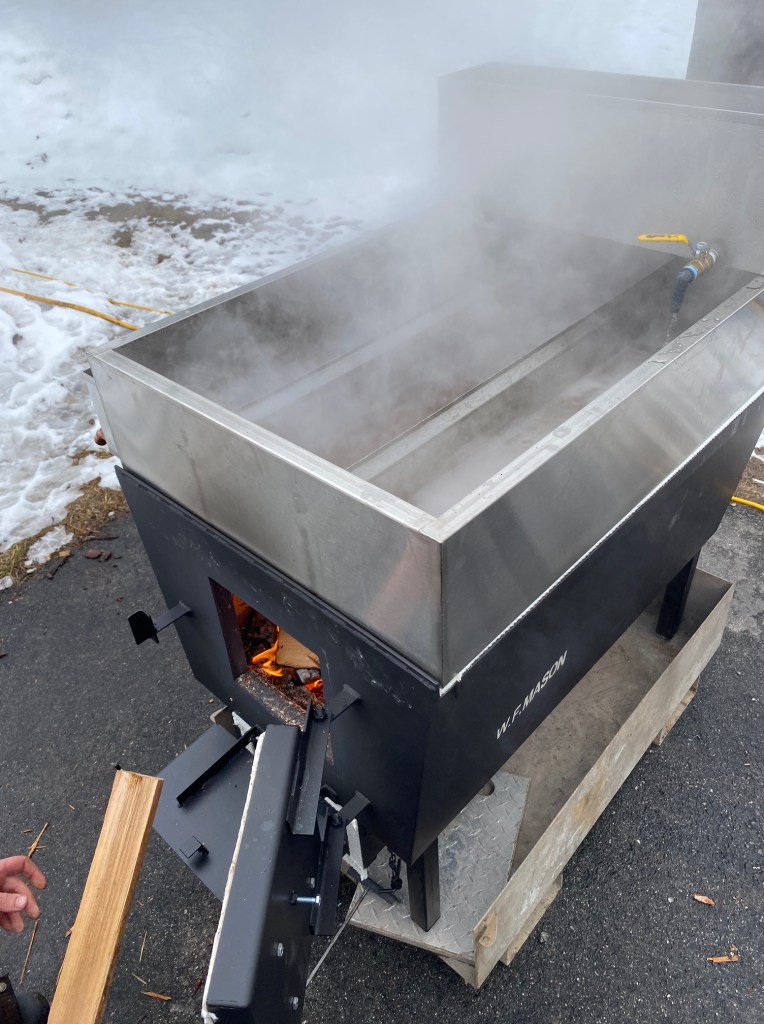
Now that we have this larger evaporator, we hope to get it set up in a permanent spot later this year, so we can have a more efficient way of straining and pouring the sap into the evaporator, the way it’s intended to be done, instead of slowly hand-pouring the buckets of sap in ourselves.

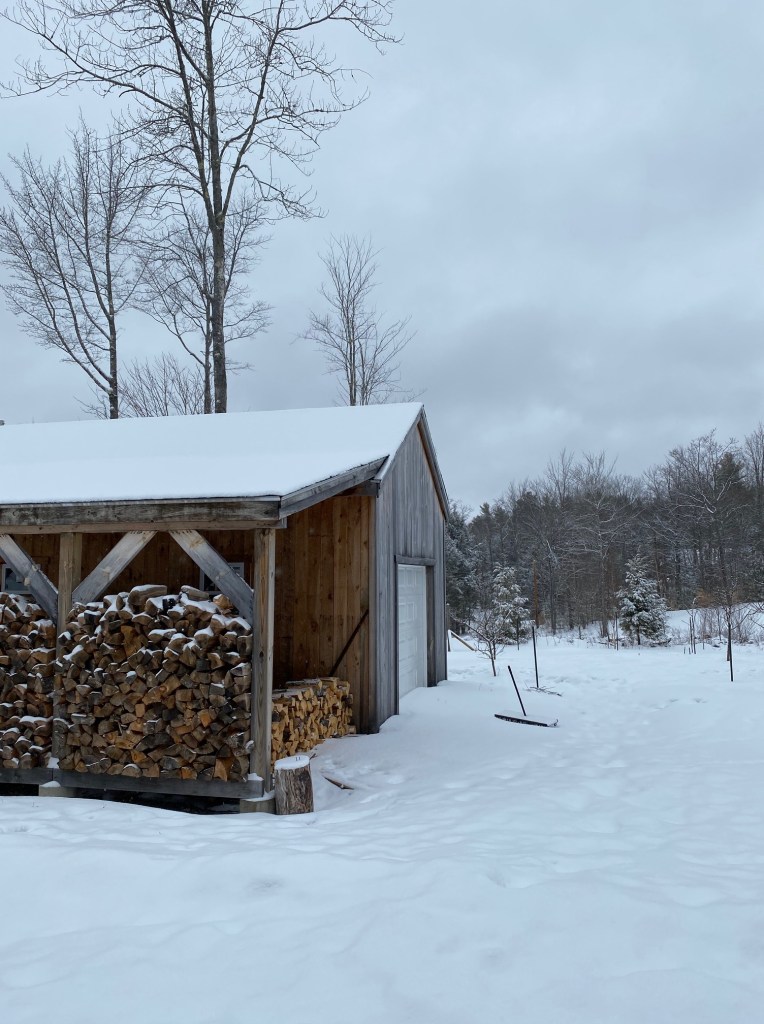
One thing that won’t change is the need for dry firewood so we can have a hot fire for boiling. During the summer when we’re cutting wood for the wood boiler for the house, we also stack enough pine to dry out for sap season. It’s kind of funny if you think about it – it takes both pine trees, and maple trees, to make maple syrup.
All these years, we’ve stored our year supply of syrup in our fridge, which takes up the whole bottom drawer, and a few extra quart jars on a shelf. This year, we’d also like to finally can the syrup so we don’t have to keep it in the fridge. I’ve read that the heat from the syrup can self-seal the jar so they don’t even need to be processed in a water bath canner, or at least only need to be processed for a very short period of time. That’s something else we’ll have to learn about coming up, so we can try storing at least some of our bounty this way and free up some space in the fridge.

As we just put out the rest of our buckets, we haven’t yet collected sap for a boil, but the weather looks promising in the next week. We look forward to the warm days of collecting sap, turning sap into syrup, and more signs of spring.
 blackberryhillhomestead.com
One response to “It’s Maple Season!”
The dark amber bottled goodness at the end looks delicious! When’s the follow-up article with all the great ways to use this bounty, including the secret baking receipts? 😉
>
LikeLike