
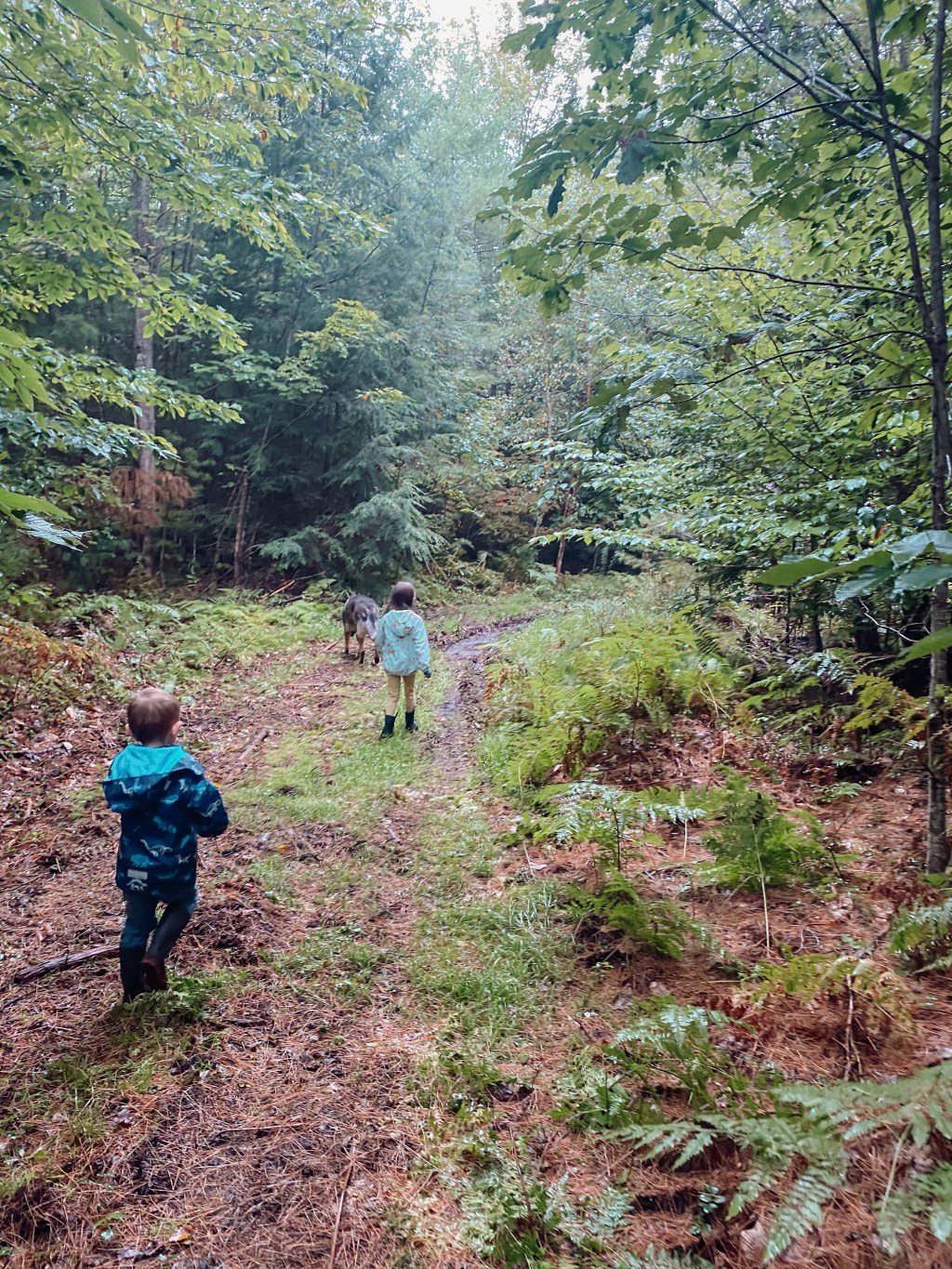
The decision to homeschool your kids can be hard enough, never mind deciding on a curriculum, materials, schedule, homeschool groups, and everything else. Before my oldest would have started Kindergarten, we decided to keep her home to homeschool. We’ve had our challenges, like everybody else (hello two little brothers), but I’ve been very happy with the curriculum and homeschool materials that we have been using. I’d love to share what we have been loving, and the few things that we ended up not utilizing at this point. If you have a child at the Kindergarten/1st Grade level (and some information below even applies to Preschool and older Early Elementary kids), a lot of these materials may be a great fit for your family.
Starting out can be overwhelming – what subjects do I need to teach? How much time per day should we be learning? At this young age, try not to get overwhelmed! And don’t stress about having too rigid a schedule either. With three young kids, we simply homeschool when we can. This means we learn from library books or on the go when my 4- and 6-year-olds have questions or interest about the world around them. My 6-year-old and I do book work/curriculum when my 4-year-old is at Preschool, and my youngest is napping. I do read alouds with my 4- and 6-year-olds when my youngest is napping, playing with dad, or in bed for the night. We do nature study activities, handwriting practice, and other crafts when I can easily go back and forth between my youngest and older two kids when they don’t need my undivided attention. We just do what we can and make it work.
So – what subjects are the most important at this age? For Kindergarten, we have curriculum for Language Arts, Math, and Nature Study. We have been very happy with our workbooks and materials from The Good and the Beautiful (“TGATB”) and Treehouse Schoolhouse, and I will go into detail below.

We also use a Handwriting Level 1 book from TGATB, we do lots of history-based read alouds, crafts, and utilize the local library every other week or so. We also participate in a local homeschool group that we have been very happy with. Our group of 30-40 kids range in age from 4 through High School, and my kids have enjoyed the group activities with older kids which has been really beneficial.
We do NOT utilize screens for education (or use an iPad at all). We’ve watched parts of documentaries related to nature studies, and of course the kids have some favorite TV shows, but when it comes to school, we only use books, crafts, and experiences.
MATH
Starting with The Good and the Beautiful, we have been very happy with our Language Arts and Math curriculum. The books are easy to navigate, clearly explain to the parent what to read/explain, don’t move along too quickly, and make learning fun with games, stories, and detailed pictures. We started using Math K over the summer, and my then 5-year-old was enjoying it so much, we finished the kindergarten level book in September. We’re now almost halfway through Math 1.

The math box includes game pieces, fake coins, dice, and clocks. The math books teach basic addition and subtraction, along with the practical life skills of learning coins and counting money, understanding calendars, and reading an analog clock.

LANGUAGE ARTS
The Language Arts book is similar in that the lessons move along at a good pace, and it is clear what the parent needs to explain to the child. The lessons also include beautiful paintings, poems, and short stories, and have introductory lessons around history, art, and geography. I feel they have really made it more interesting than just a simple “learn to read” kind of workbook that lets the child be more engaged.

On the subject of learning to read, we also tried out the Dash Into Learning Learn to Read program. The set of 30 books are short stories with sweet drawings, each adding a new phonics lesson. My daughter really enjoys these stories. However, we started with this first, before beginning the Language Art curriculum from TGATB. It moves a little faster than the LA book, and although it comes with some activity sheets that you can print out, it wasn’t engaging enough to really get her started. However, now that my daughter has gained more confidence reading now that we’re more than halfway through the Language Arts Kindergarten curriculum, we’ve gone back to read and learn from the Dash Into Learning books. So, I feel like these books are a good addition to a LA curriculum, but may be a little fast paced for someone just starting out.
Dash Into Learning full Reading Program can be found here: https://dashintolearning.com/collections/books/products/full-program-set-1-set-2-set-3-all-activity-packs
Or, check out just the first set of books here: https://amzn.to/3tEYuLB

NATURE STUDY
Ok, here’s the fun stuff! I decided to add Treehouse Schoolhouse Nature Study to this year’s learning; and not only for this year, but because my kids are so young and this program is so flexible, I can make this last for several years.

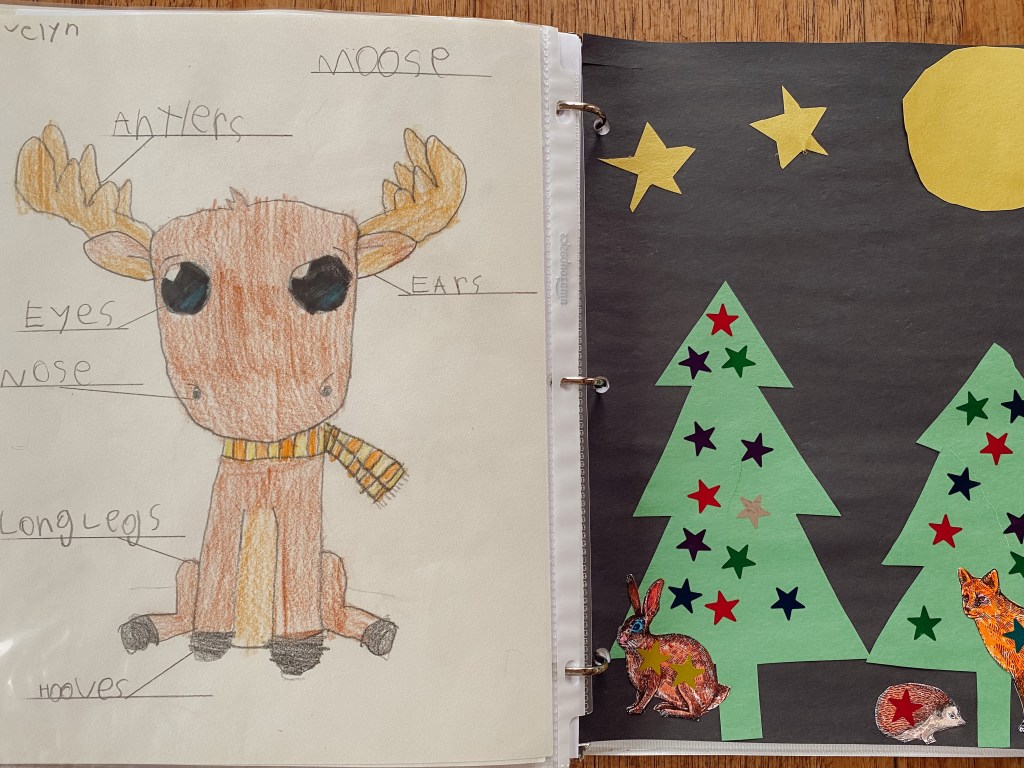
The Nature Study program is divided into seasons, with each season having a new subject each week. Nature Study includes nature, science, art, poetry, read alouds, folk songs, and more. For me, this program is really just a starting off point. For each subject you can really make it fit to your child’s interest and education level. Add in some library books that match the current subject that would also be a good fit for your child, add in some art projects that go with the subject. I’ve also found simple coloring pages to print out, flash cards to make, and tracing pages from the internet that go with the current area of study.


During “Beetle Week,” we found beetles in the garden. While learning about fish and sharks, we went to a local nature museum and the kids also went fishing with family members. During apple week, we picked apples and made an apple pie. This program CAN be really open ended if you want to add to the curriculum, but it doesn’t have to be. This program can also be suited to fit kids of many ages, making it a family style learning program.

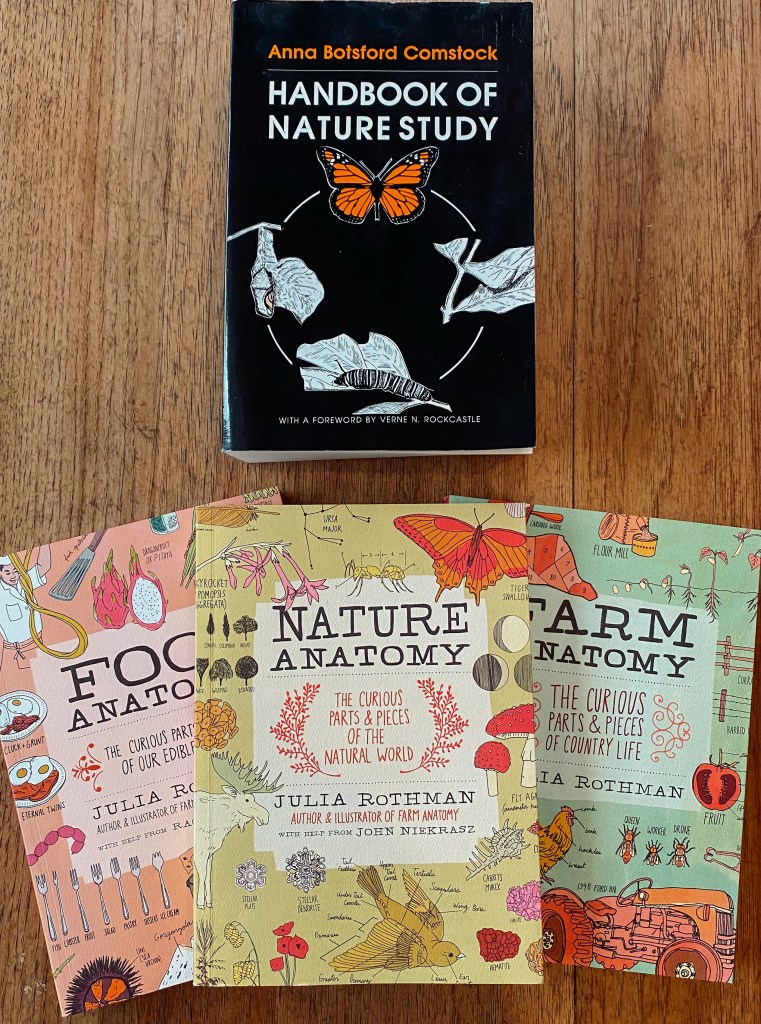
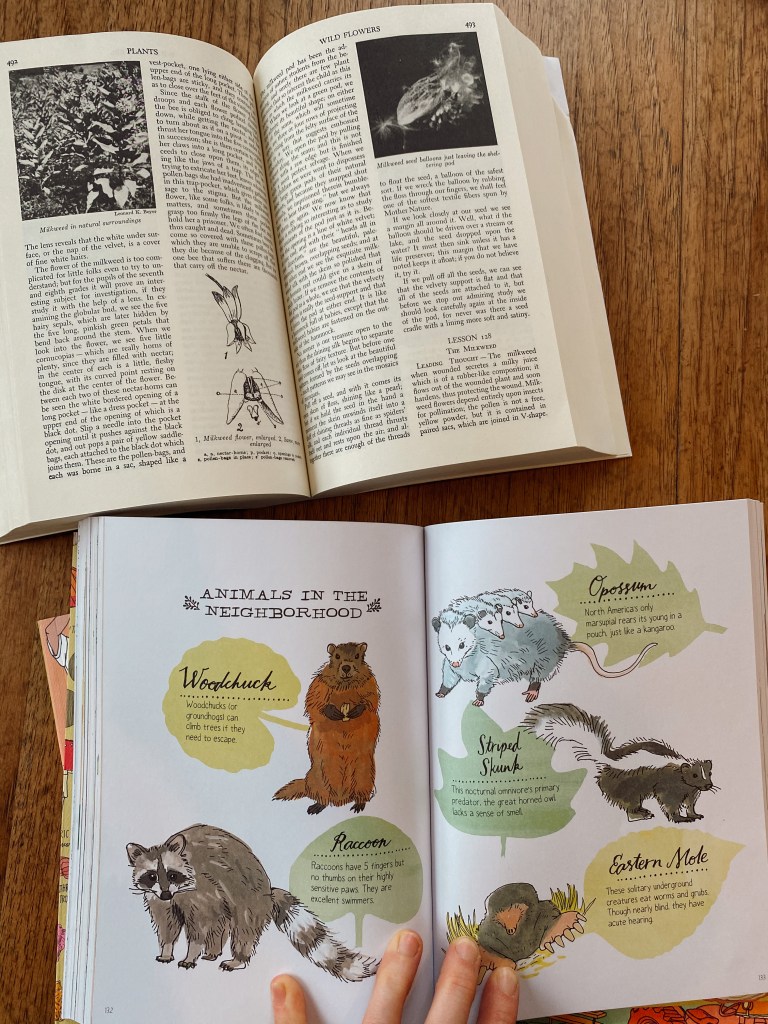
The Treehouse Schoolhouse Nature Study also has recommended reference materials by Comstock and Rothman pictured below. For the younger ages in particular, I don’t think these are absolutely necessary. The Rothman books have beautiful pictures and cover a wide variety of material, but the information provided is quite minimal. Handbook of Nature Study by Comstock is highly detailed, but not appropriate or super helpful for elementary kids. Finding related library books for each subject has been much more helpful than using these reference materials suggested.
However, overall, I have been very pleased with the Treehouse Schoolhouse program and highly recommend for elementary age kids.
Treehouee Nature Study can be found here: https://treehouseschoolhouse.com/collections/treehouse-nature-study
READ ALOUDS
For read alouds, we utilize both picture books and chapter books. Most of our chapter book read alouds are from three historical book series: Magic Treehouse, American Girl books (originals only!), and Laura Ingalls Wilder’s Little House books. Since August, we’ve read all these books!

My daughter really enjoys listening to all of these stories (and I read the Magic Treehouse books to my 4-year-old son as well). They are a great introduction to the concept of history and the different ways that people have lived over many years. Some of them are also really humbling and put things in perspective about how we live today – for adults as well. These books will also be great to go back to once the kids are older and we add in a history curriculum. But for now, they’re just fun stories to get the kids engaged in read alouds and different points in history.
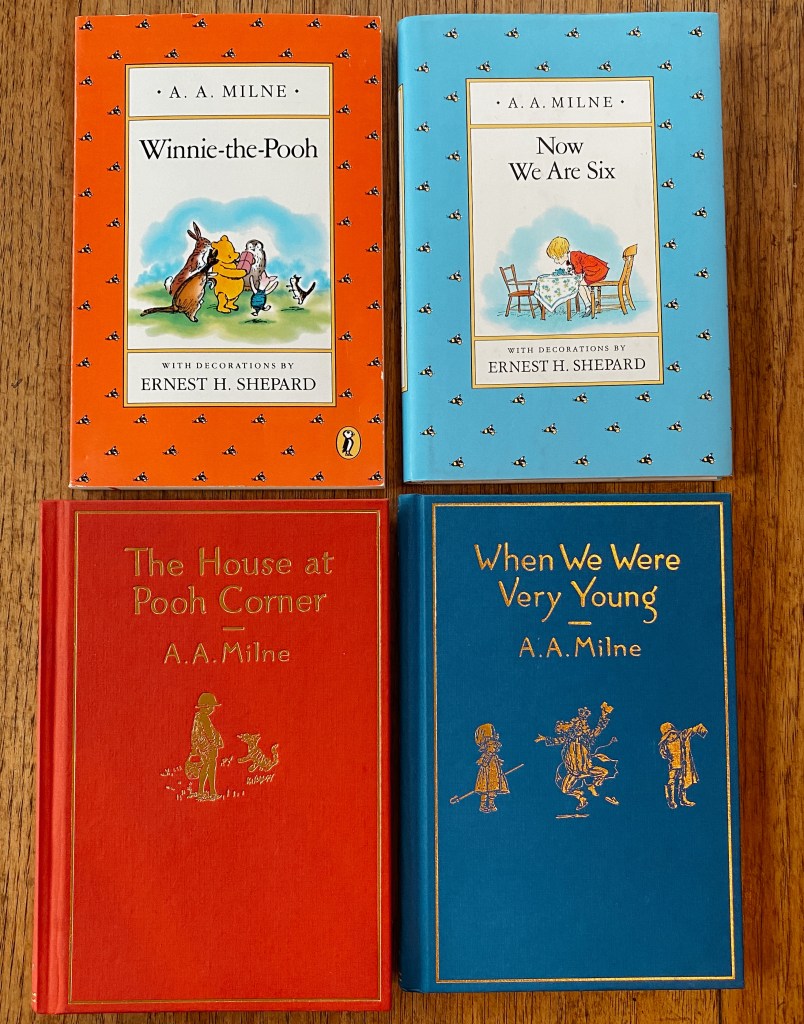
For read alouds, I also referenced the Ambleside Online recommended reading lists. I ended up purchasing a few books early on, which are classics. Having liked Winnie-the-Pooh as a kid, I thought these would be a good choice. However, we haven’t read much of these yet, as the language is just too odd for a 5/6-year-old, with the run-on sentences and made-up words. I may add in a bit of the poetry in coming months, especially if I can have it match up with a Nature Study subject, but otherwise for now these books will just be on the back burner.
HELPFUL MATIERALS
Below are also a few helpful materials that we frequently use. Most of these are used when we work on pages for my daughter’s nature notebook.

Small whiteboard (great for math and spelling): https://amzn.to/3S3ezUV
Clear Plastic Sheet Protectors: https://amzn.to/3vj5IW4
Sketch Book: https://amzn.to/3viXJs2
Straight Line Stencil: https://amzn.to/3RYvmZ8
Book Stand: https://amzn.to/3S0M4XT
Lined Story Telling Pages: https://amzn.to/3TJb7jf
Watercolor Set: https://amzn.to/3vlNzHd
Clipboards: https://amzn.to/3vmLbA8
3 Ring Binder Photo Sleeves (Print and keep pictures of school activities to add to your child’s notebook): https://amzn.to/3tA1B7C
Whether you’re thinking about homeschooling in the future, or already do schooling at home with young kids, I hope that sharing the curriculum, books, and materials that we love has given you some ideas to add to your homeschool in the future!
 blackberryhillhomestead.com